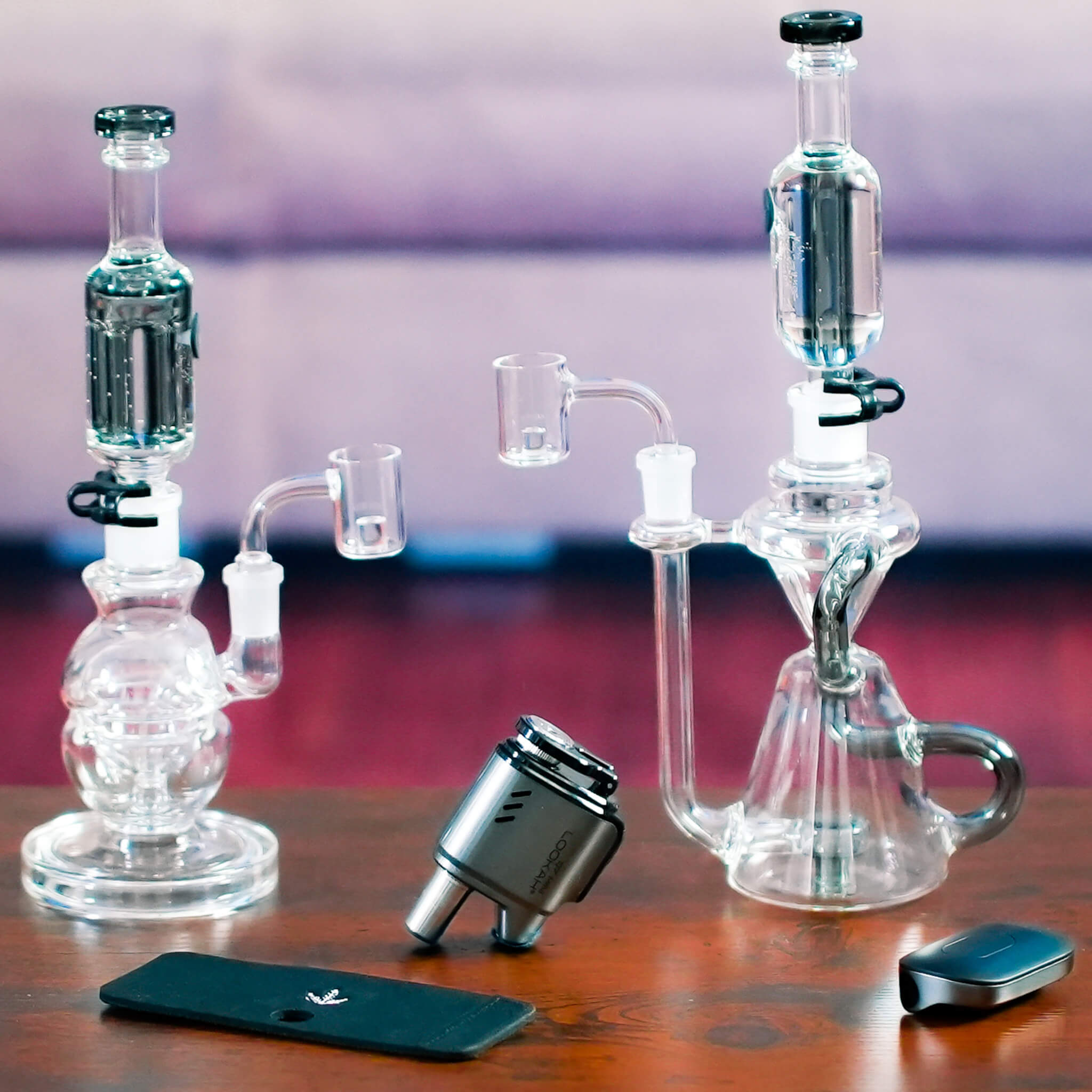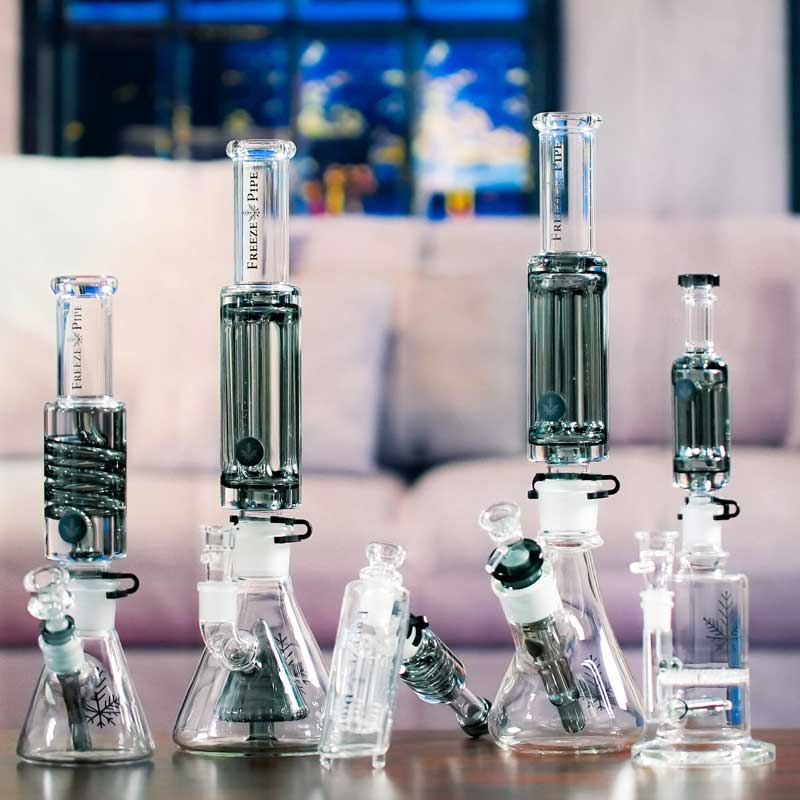
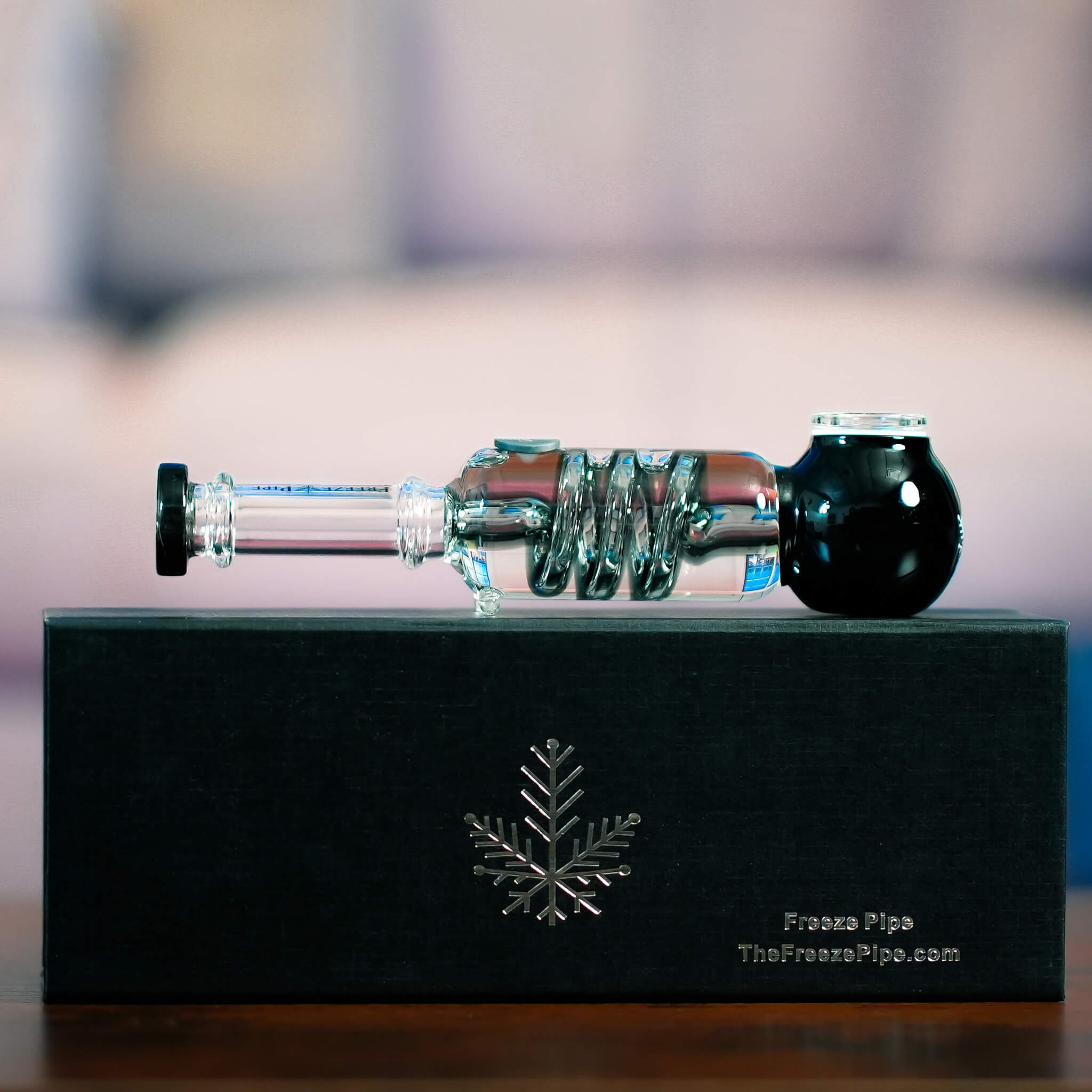
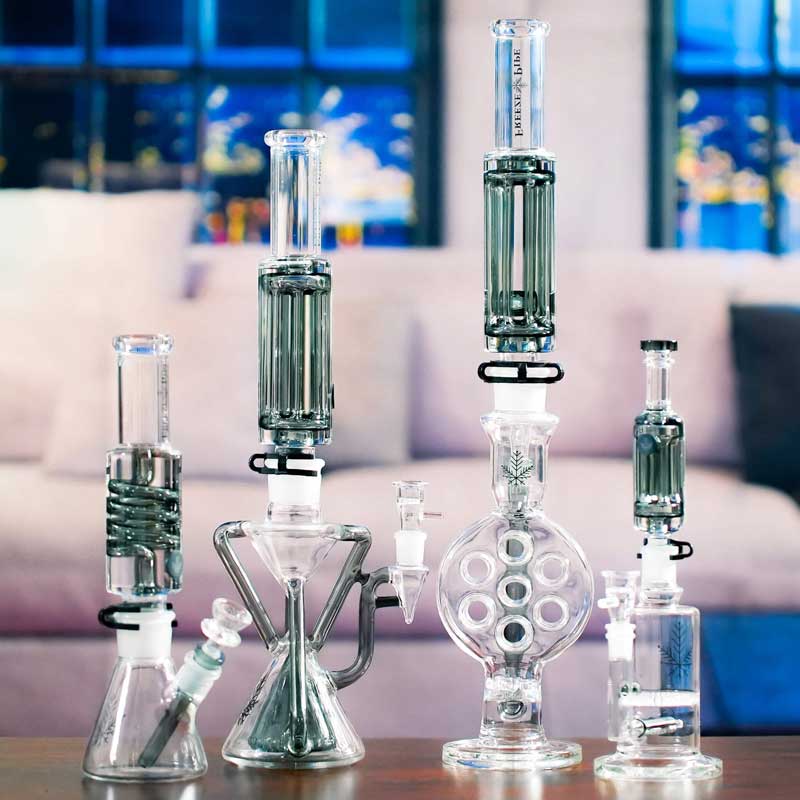


Buying your first bong, there are six things that actually matter: filtration (how smooth the hit is), durable glass, easy cleaning, a size that fits how you'll use it, a realistic budget, and cooling, the one most beginners never think about. Get those right and you'll have a piece you actually keep using. Below is what each one means and how to judge it, even if you've never shopped for a bong before.
| What to look for | Why it matters | Beginner tip |
|---|---|---|
| Filtration | Smoother, less harsh hits | A simple downstem or single perc is plenty to start |
| Durability | It survives daily handling | Thick borosilicate glass, or silicone if you're clumsy |
| Easy cleaning | The #1 thing beginners regret | Removable parts + fewer chambers = less hassle |
| Size | Fits how and where you'll smoke | Medium beaker = stable and forgiving |
| Budget | You don't need to overspend | $40–$80 buys a solid first piece |
| Cooling | Smoothness most people overlook | Look for an ice catch, or a glycerin-cooled chamber |
1. Filtration
Filtration is how a bong smooths your hit. Smoke passes through water (and sometimes a percolator, a piece of glass that breaks the smoke into smaller bubbles), which strips out some harshness before you inhale.
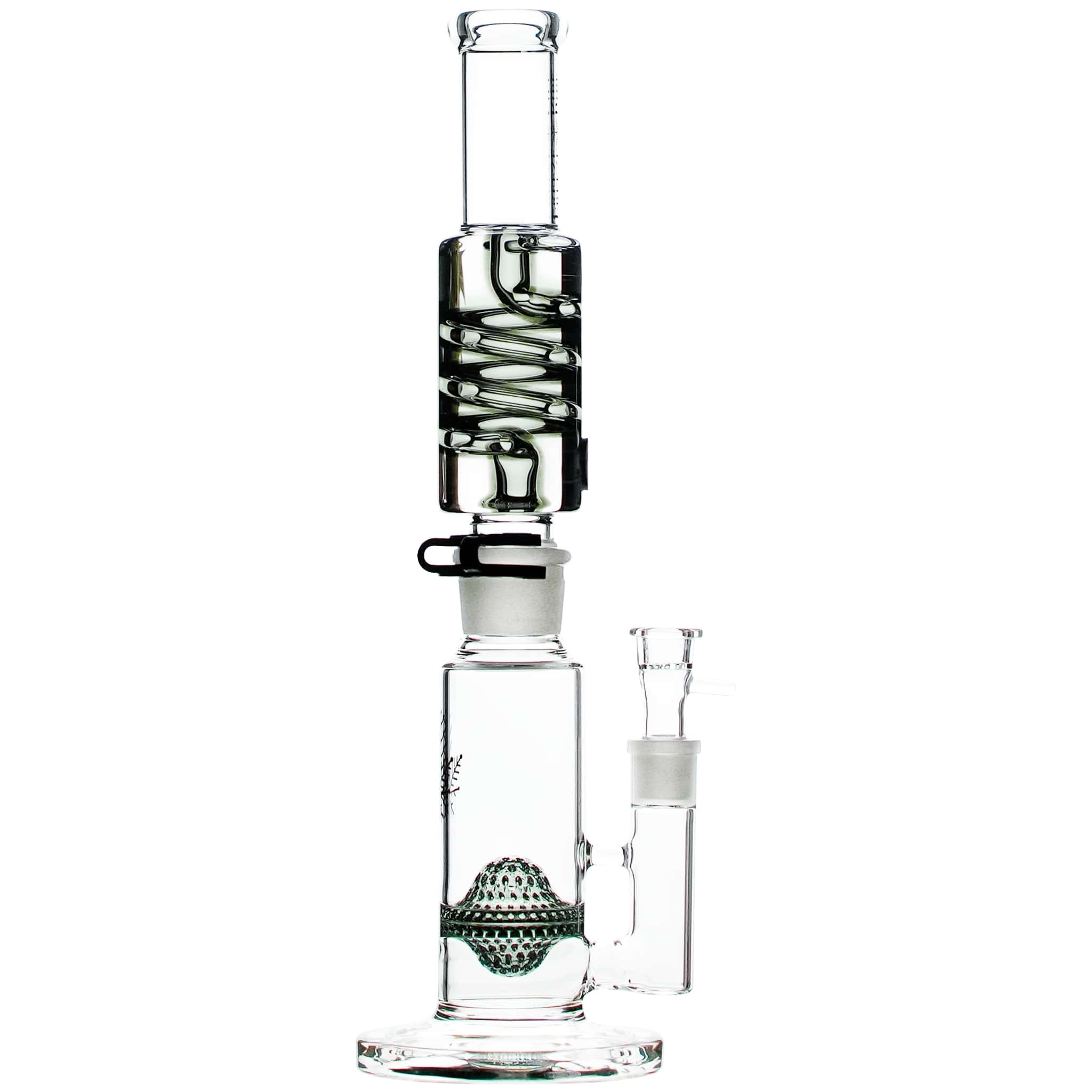
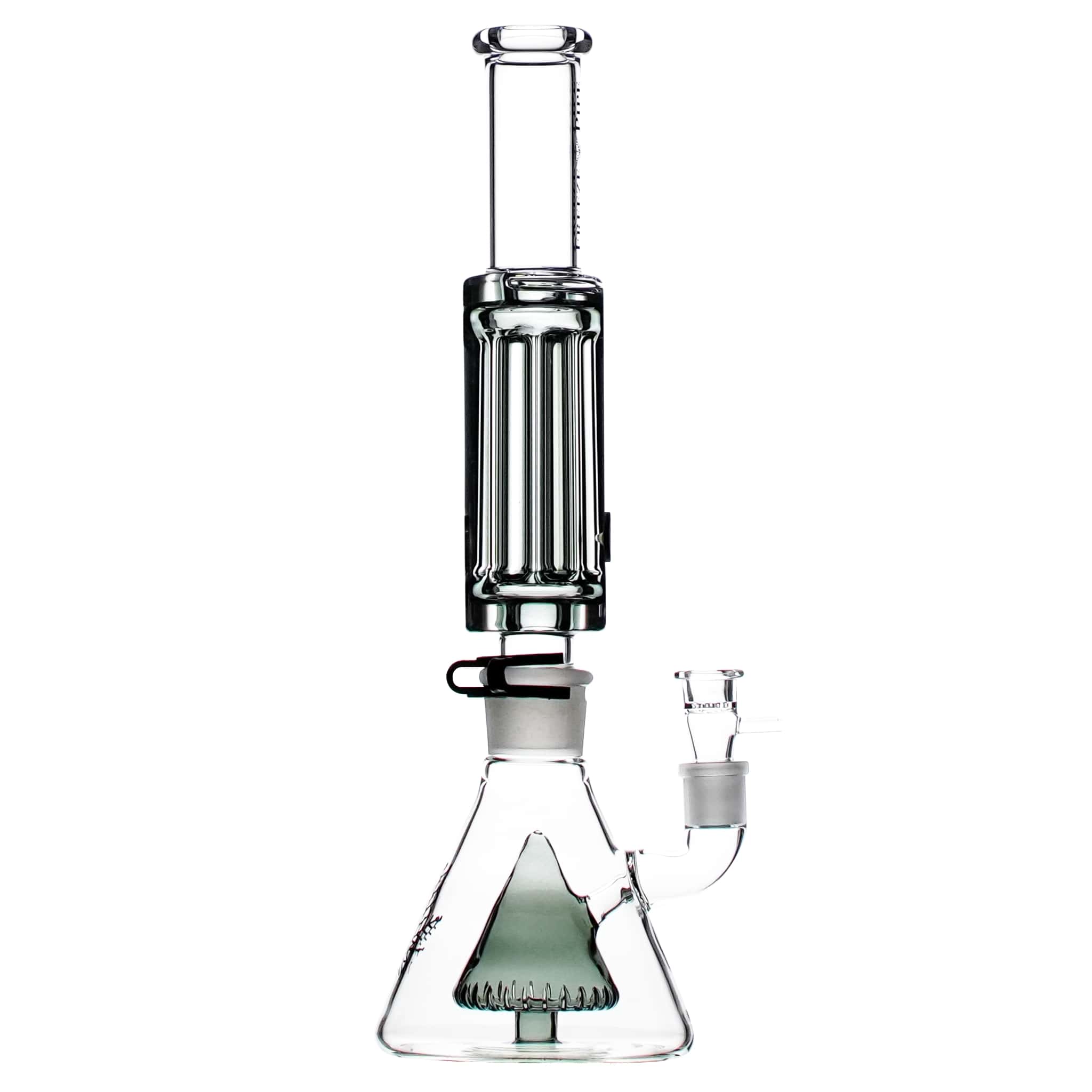
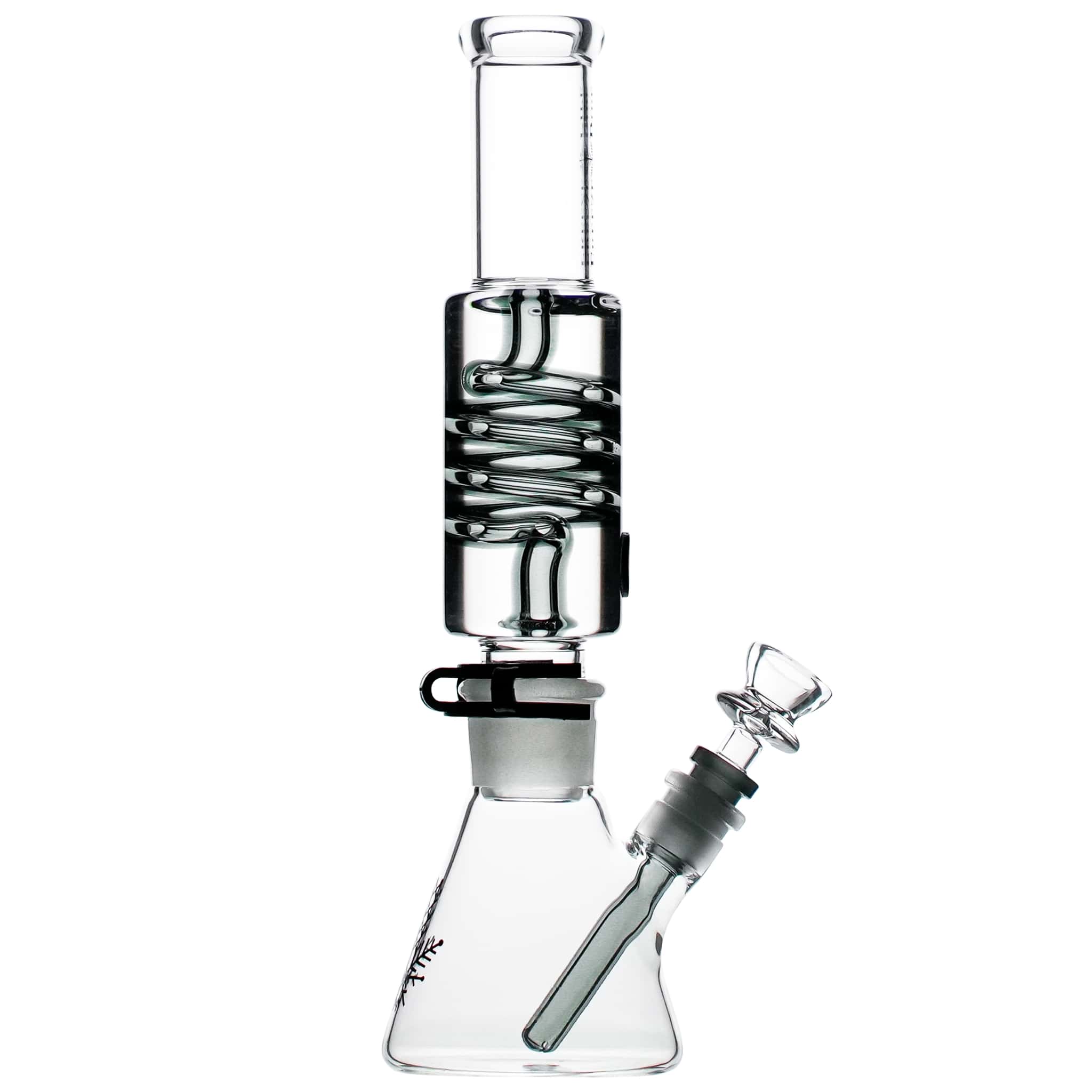
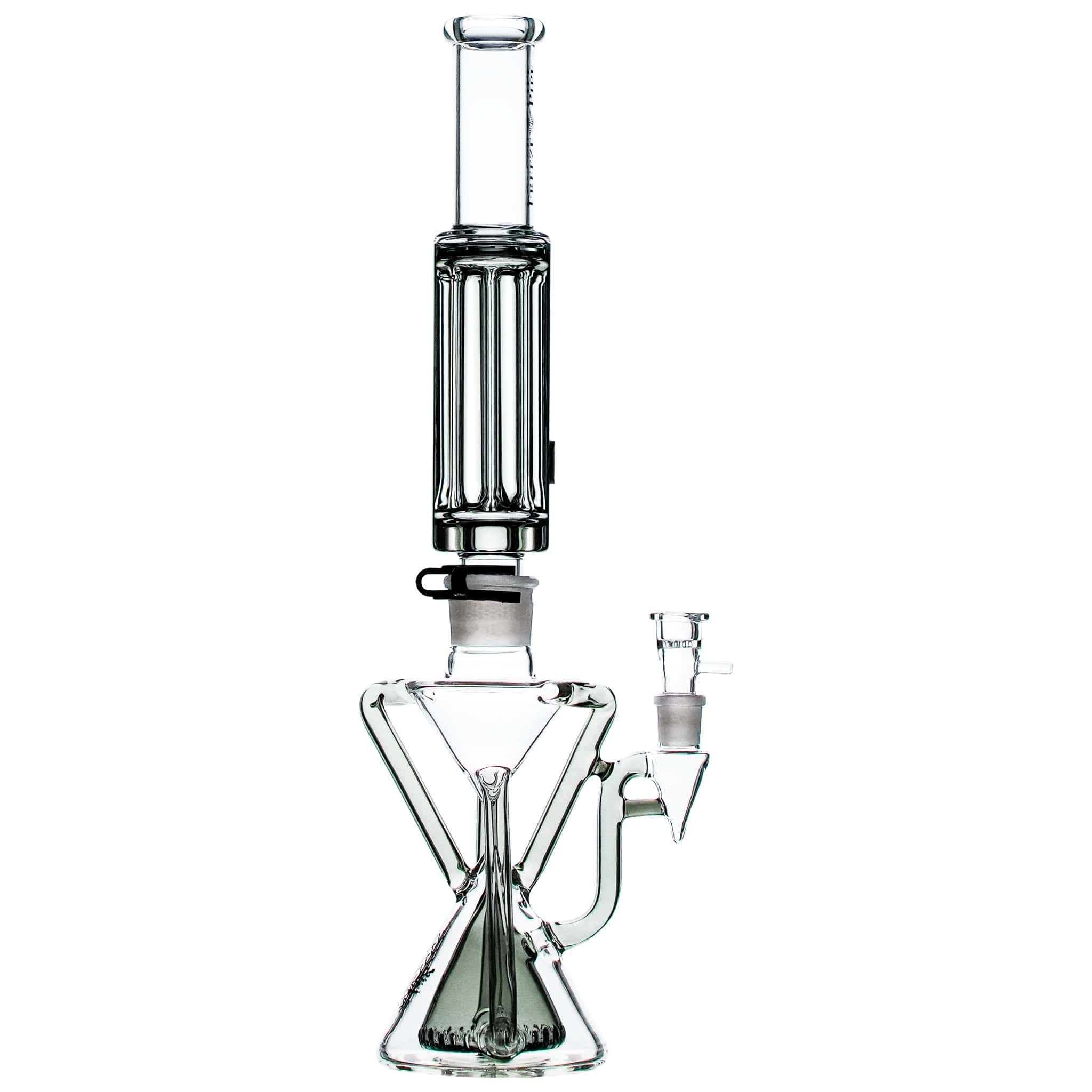
You don't need much to start. A basic downstem, the tube that carries smoke into the water, does most of the work, and a single simple perc is plenty. Stacked percolators smooth things further but add more to clean and more to break. For a first bong, "enough filtration" beats "maximum." Our beaker bongs stick to this simpler setup, with a removable downstem that's easy to pull and rinse.
What to look for: a removable downstem and, at most, one straightforward perc.

2. Durability
Your first bong is the one you'll knock over learning the ropes, so build matters.
Most quality glass bongs use borosilicate, the same heat- and shock-resistant glass as good kitchenware. Thicker walls (around 5mm) take knocks better than thin, cheap glass; that's why all our pieces use 5mm borosilicate. If you know you're hard on things, silicone is nearly indestructible and worth a real look.
Here's the honest trade-off: silicone wins on durability, but most people prefer glass for cleaner taste, a better feel, and easier cleaning. Neither is "wrong." It depends on how rough your shelf life is.
What to look for: thick borosilicate glass, or silicone if drops are a when-not-if.

3. Easy Cleaning
This is the criterion beginners ignore and later regret. A bong that's a pain to clean is a bong that ends up cloudy, harsh, and shoved in a drawer.
The good news is cleaning is mostly about routine. In our customer survey, 71% described cleaning as easy, and the ones who did almost all used the same simple method: isopropyl alcohol and coarse salt, or an off-the-shelf cleaner like Formula 420. The people who found it hard were usually the ones trying to get by with just water and a brush.
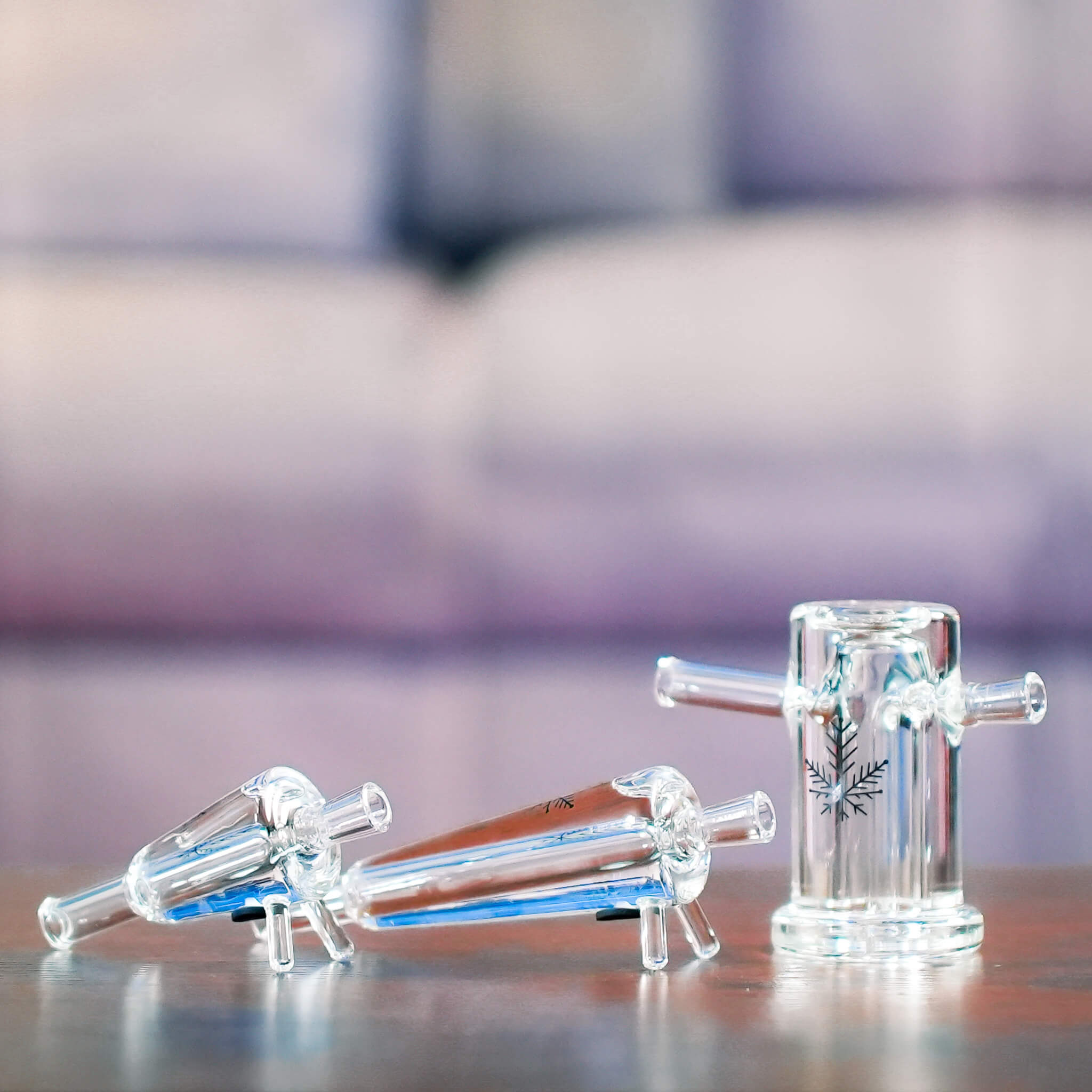
Design helps too. Pieces that come apart (removable bowl, removable downstem) are far easier to keep clean than sealed, all-in-one shapes. Fewer chambers also means fewer places for residue to hide.
What to look for: removable parts, simple geometry, and a willingness to keep iso + salt on hand. (See our full cleaning guide for the step-by-step.)
4. Size
Bigger isn't better. Right-sized is better.
- Small / mini bongs: easy to store and hide, but tip over more easily and hold less water.
- Medium beakers: the sweet spot for most first-timers. The wide base is stable, they're easy to clean, and they hit smoothly.
- Large bongs: great for groups, but awkward for solo daily use and more to clean.
Match the size to how you'll actually use it. If it's mostly you, a medium beaker is hard to beat. If it's mostly group sessions, size up.
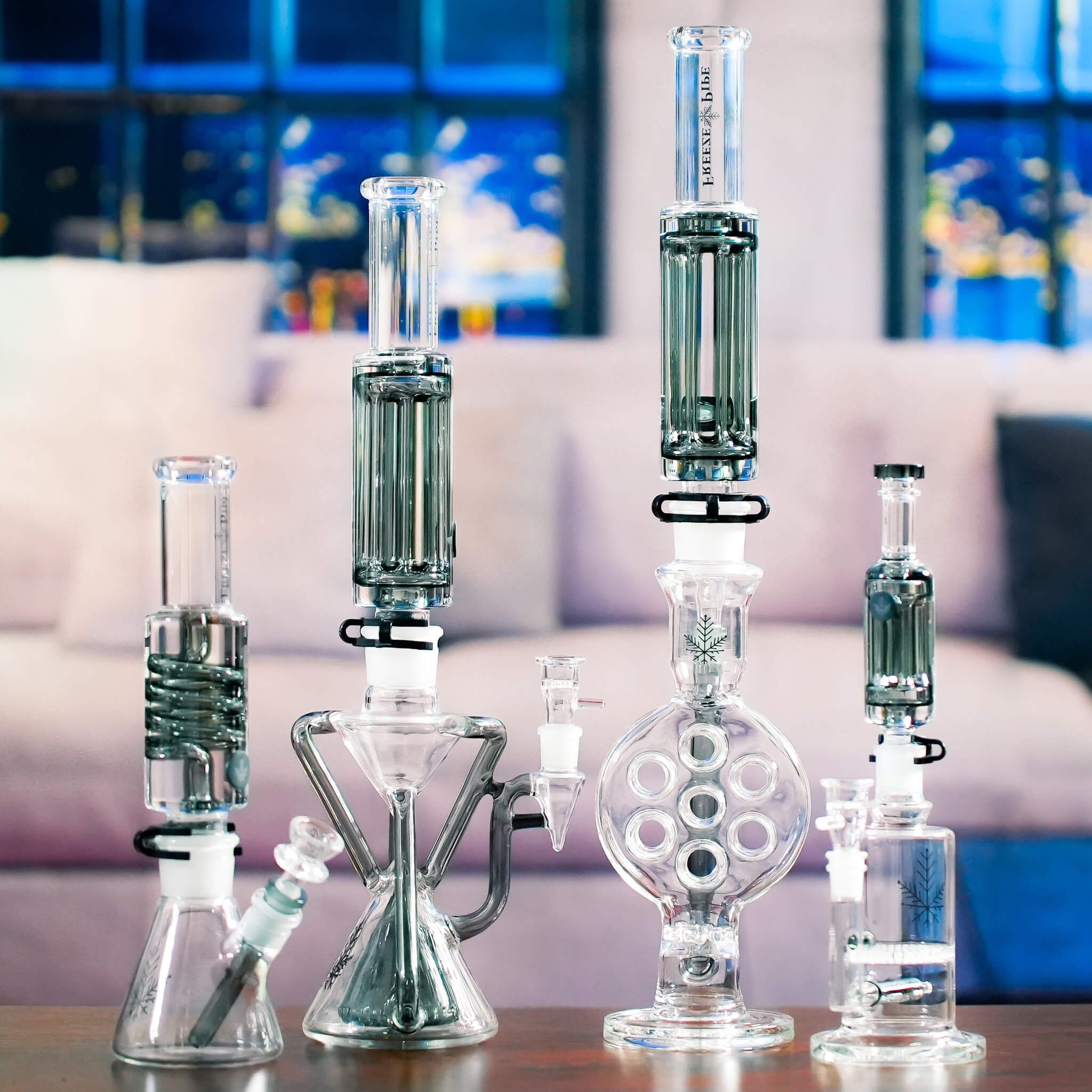
What to look for: a stable base and a size that fits your real routine, not the most dramatic piece on the shelf. (Our pieces run from 11" to 21", solo sessions up to group ones; the gift guide sorts them by use.)

5. Budget
You don't have to spend a fortune, but it helps to know what your money buys. Very cheap bongs ($40–$80) usually mean thin glass that chips, basic filtration, and no cooling, so a lot of first-timers end up replacing them fast. A quality first bong you'll actually keep, thicker glass, a stable base, smoother hits, generally starts around $100.
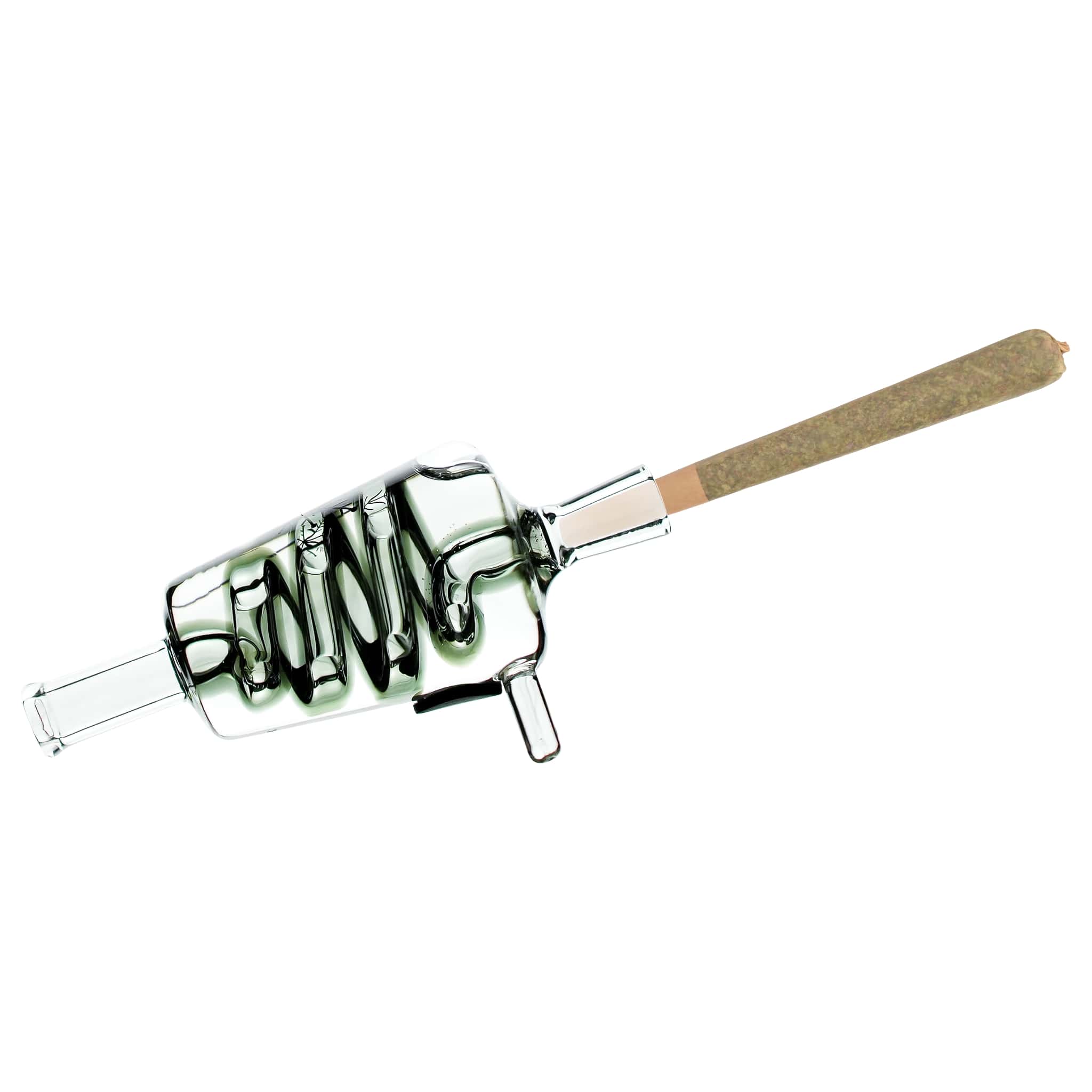
Starting with a cheaper piece is completely fine, there's nothing wrong with it, plenty of people begin small and upgrade later once they know what they like. If you'd rather stay on the lower end, you can [shop by price]: most of our bongs and bubblers land under $200, and under $100 you're looking at a hand pipe and those still come with the same glycerin cooling.
What to look for: spend on durability and smoothness that last, not on multi-perc complexity you'll dread cleaning.
6. Cooling, the One Most Beginners Overlook
Here's the criterion almost no first-time buyer shops for, because most people assume "filtration" and "cooling" are the same thing. They're not. Water diffuses the smoke; temperature is a separate lever, and it has a big effect on how harsh a hit feels.
When we surveyed Freeze Pipe customers, 87% said the first pull from a frozen piece felt cooler than their previous pipe or bong. That's a bigger difference than most beginners expect from something they never thought to look for.
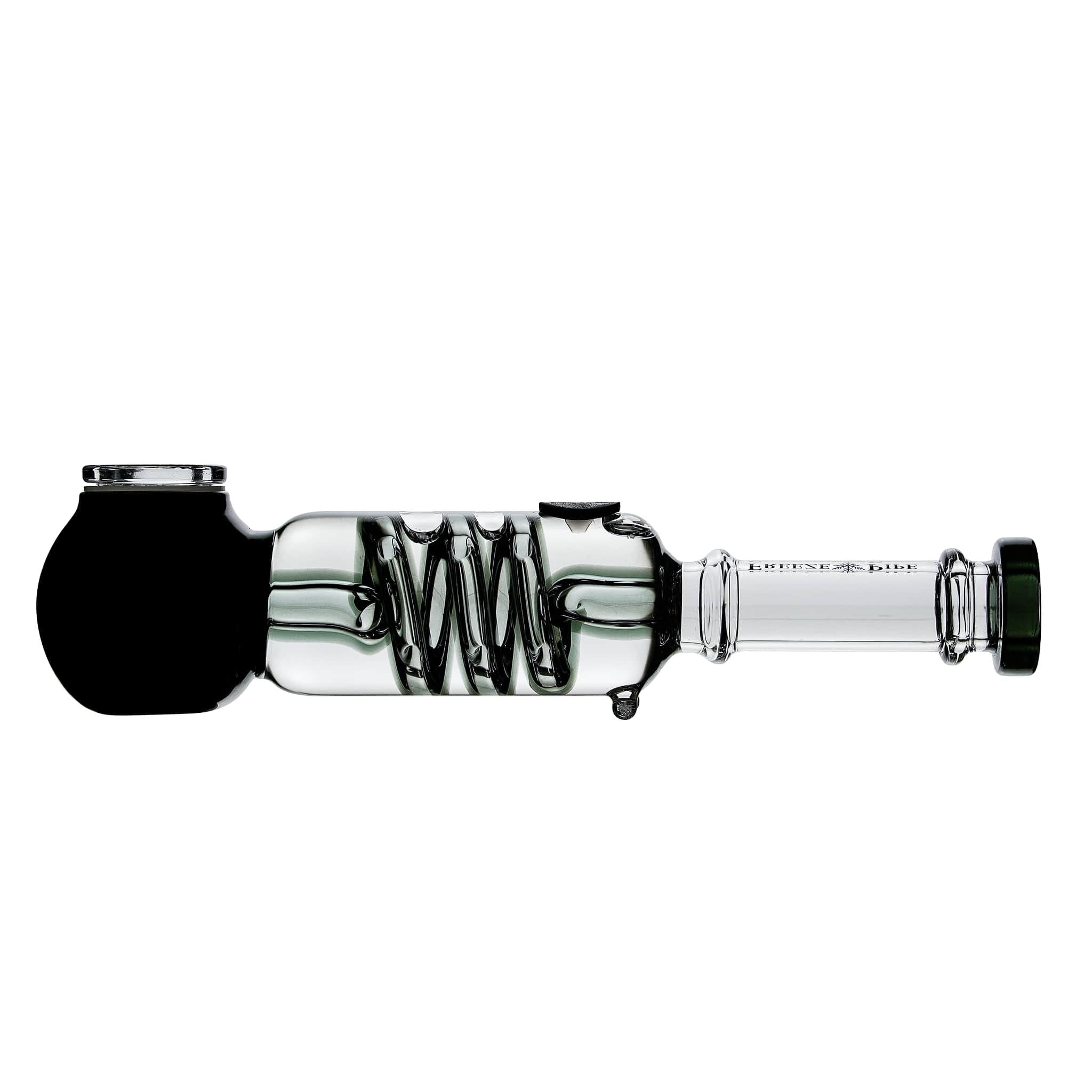
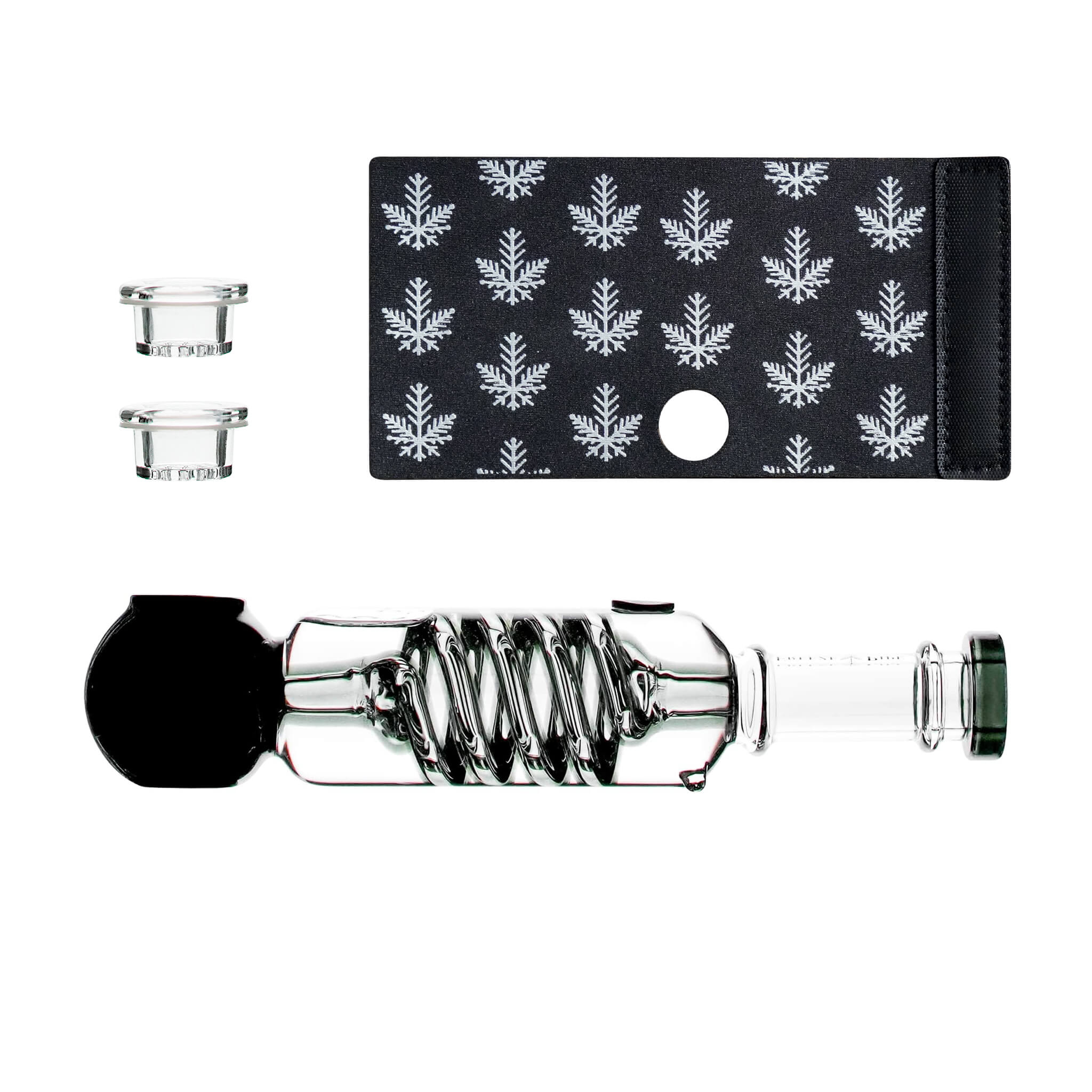
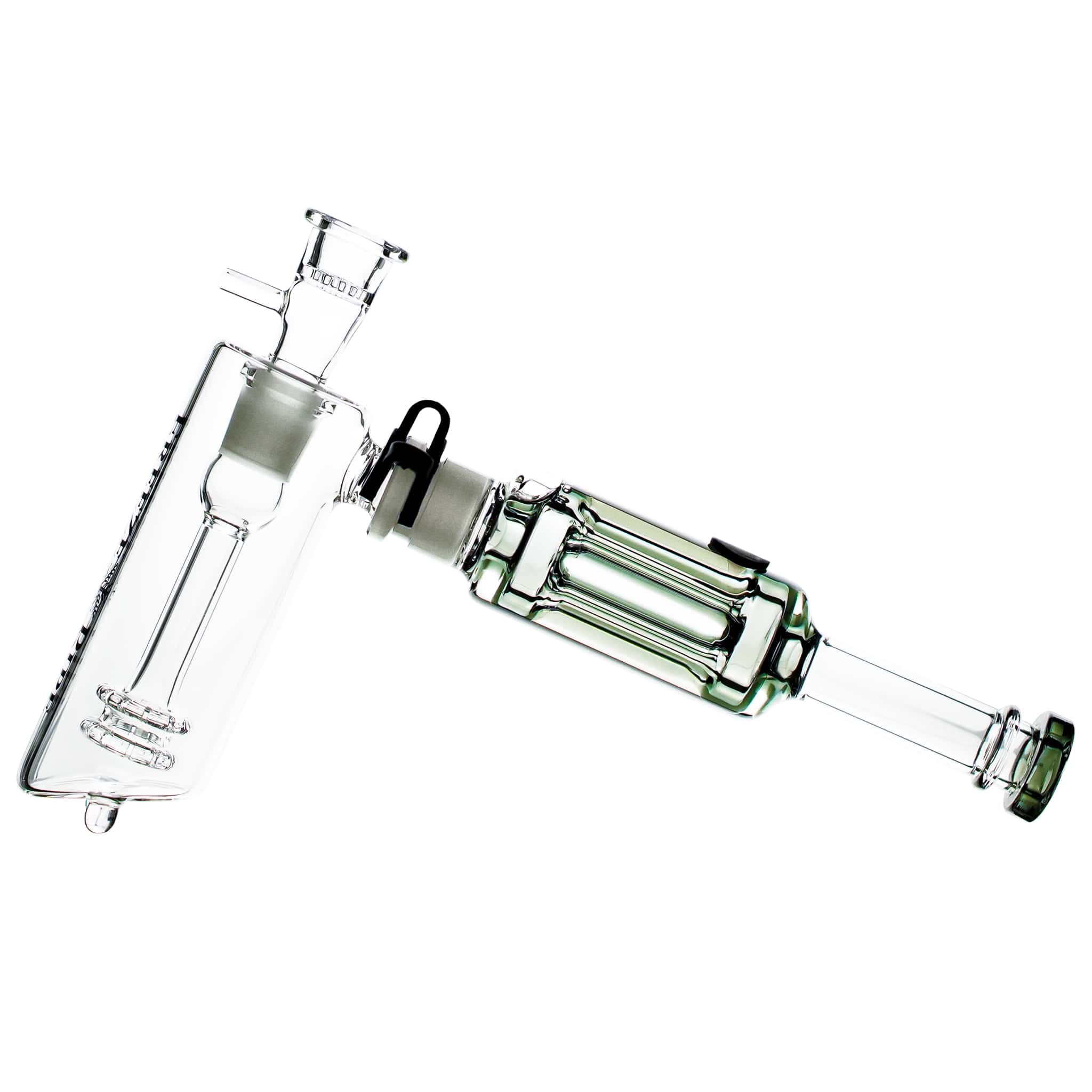
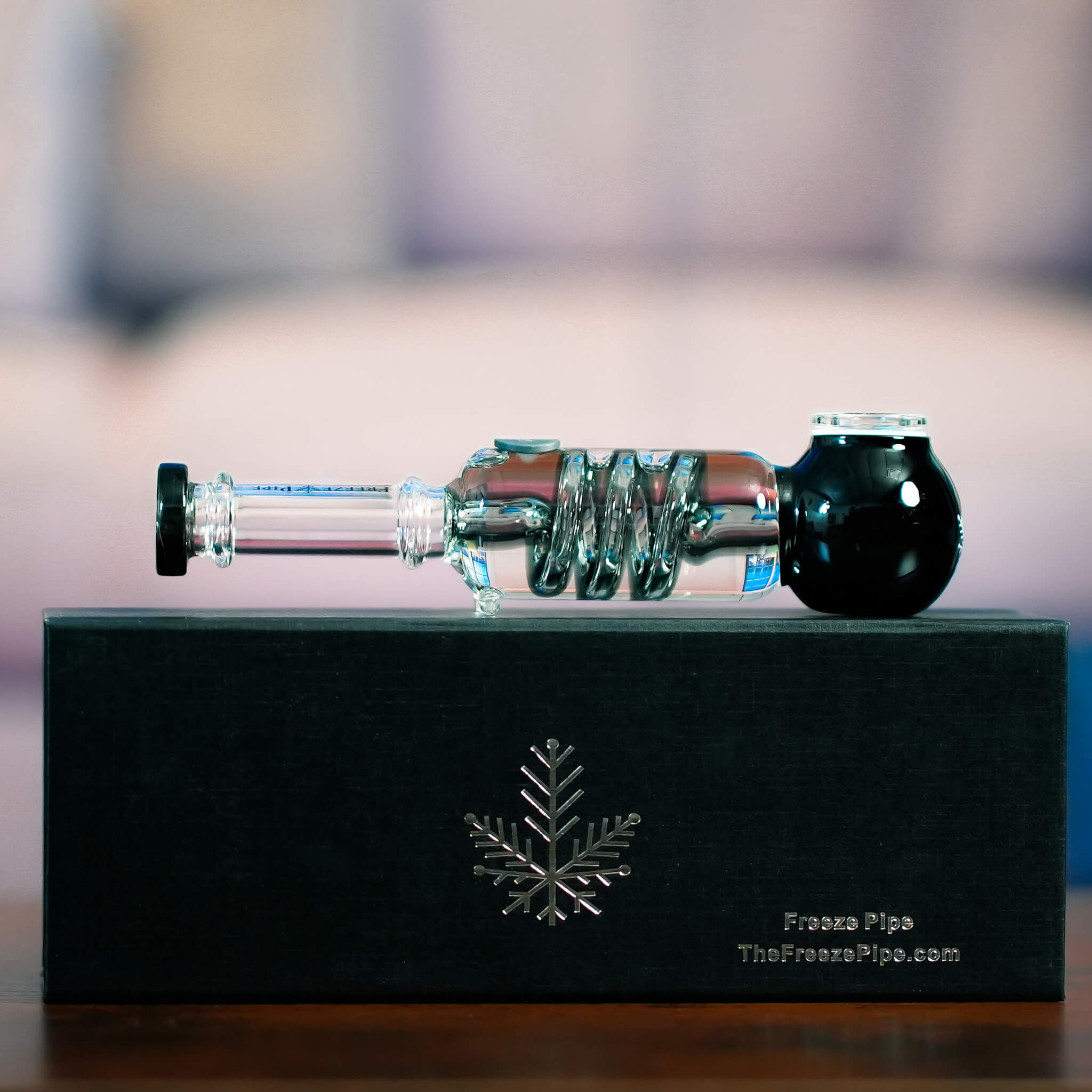
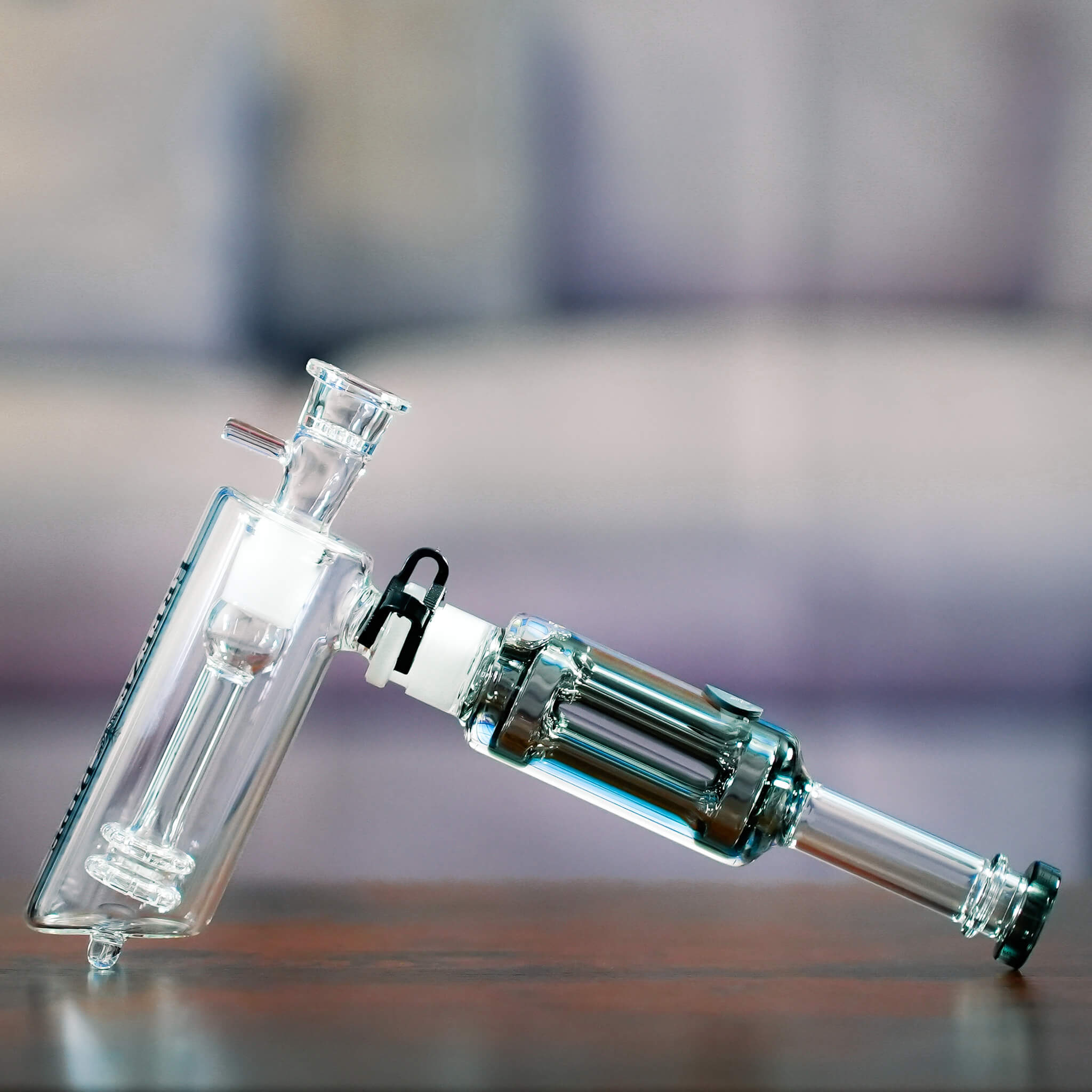
The simplest version of cooling is an ice catch, a pinch in the tube that holds ice cubes above the water. It works, but the ice melts and waters down your bong. The step up is a glycerin-cooled chamber: you freeze the piece, and smoke passes through a coil inside a sealed glycerin chamber, so you get cold hits with no ice and no melt. The cold tapers over a session but stays cooler than a standard piece throughout.
What to look for: at minimum an ice catch, or a glycerin-cooled piece if smooth, cold hits are what you're after. Every one of our pieces comes with a glycerin cooling chamber built in.

How to Choose, Based on You
- Mostly solo, daily: a medium beaker or a glycerin-cooled piece. Prioritize smoothness and easy cleaning. You'll feel both every day.
- Occasional / just starting: keep it simple. An entry beaker around $100 covers it, or a glycerin hand pipe if you'd rather spend less.
- Group sessions: size up, and lean toward easy-clean glass with a stable base.
- Clumsy or travel-prone: silicone, or a smaller piece you won't cry over.